

What is Camping Tents
Camping tent is a shelter consisting of sheets of fabric or other material draped over, attached to a frame of poles or a supporting rope. While smaller tents may be free-standing or attached to the ground, large tents are usually anchored using guy ropes tied to stakes or tent pegs. First used as portable homes by nomads, tents are now more often used for recreational camping and as temporary shelters.
Portability
One of the biggest advantages of a tent is its portability. Tents are lightweight and compact, making them easy to carry and transport, whether you’re hiking into the wilderness or driving to a campground. This portability allows you to explore remote or off-the-grid locations without sacrificing shelter.
Versatility
Tents come in a variety of shapes, sizes, and designs to suit different needs and environments. Whether you’re camping solo, with a partner, or with a group, there’s a tent out there to accommodate you. Tents are versatile enough to be used for various outdoor activities beyond camping, such as festivals, beach outings, or backyard sleepovers.
Affordability
Compared to other forms of shelter, tents are generally more affordable. They come in a wide range of price points to fit different budgets, from basic budget-friendly models to high-end, feature-packed options. This affordability makes camping accessible to people from all walks of life, regardless of their financial situation.
Connection with Nature
Tents provide a unique camping experience that allows you to feel connected to the natural environment around you. Unlike staying in a cabin or RV, sleeping in a tent immerses you in the sights, sounds, and smells of the outdoors.
Ease of Setup
Camping tents are designed with user-friendly features that make setup and takedown a breeze. With practice, you can pitch a tent in minutes, allowing you to spend less time on logistics and more time enjoying nature.
-
![Bucket Hat Women]() Add to Inquiry
Add to Inquiry -
![Alpaca Shawl]() Add to Inquiry
Add to Inquiry -
![Thin Gold Belt]() Add to Inquiry
Add to Inquiry -
![Sparkly Belt]() Add to Inquiry
Add to Inquiry -
![Rhinestone Belts]() Add to Inquiry
Add to Inquiry -
![Family Dome Tent]() Add to Inquiry
Add to Inquiry -
![Outdoor Family Tunnel Tent]() Add to Inquiry
Add to Inquiry -
![Extra Large Family Camping Tent]()
Extra Large Family Camping Tent
Add to Inquiry -
![Kids Family Tent]() Add to Inquiry
Add to Inquiry -
![Outdoor Kids Camping Tent]() Add to Inquiry
Add to Inquiry -
![Outdoor Pop Up Camping Tent]() Add to Inquiry
Add to Inquiry -
![Camping Party Tent]() Add to Inquiry
Add to Inquiry




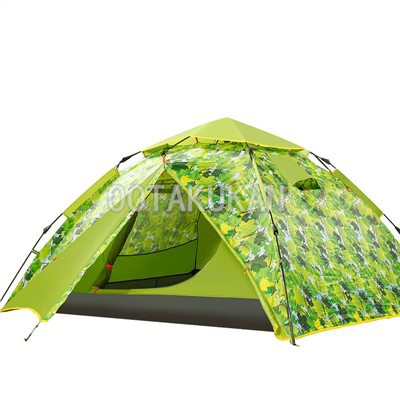
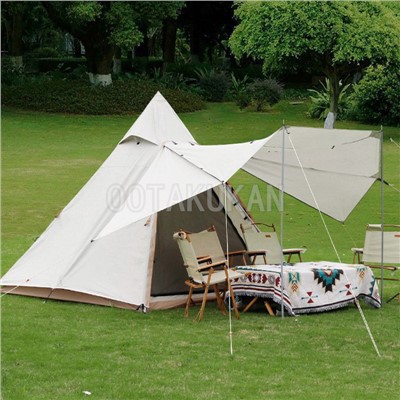
Camping Tents are the ultimate solution for outdoor enthusiasts who love to experience nature without sacrificing comfort. These tents are designed with durability and functionality in mind, so that you can enjoy your camping trip without worrying about the weather or insects.
Why Choose Us
Our products
Fashion clothing accessoriesi(hats, scarves, gloves, cushions, home textiles, etc.), outdoor sports/travel/leisure products, hammocks, outdoor swings, fitness chairs, abdominal machines and other fitness equipment and leisure products, outdoor pet products, holiday gifts.
Our services
We have a strong pre-sales sales team to help users select products and design solutions for them according to their usage scenario needs.Once the user receives the goods, there are after-sales engineers to guide easy installation and provide remote video assistance to help the user use the product better and faster.
Certifications
We have passed the ISO9001:2008 quality management system certification and social responsibility factory inspection such as BSCI and WCA. Most of our products have CE, ENISO20957-1:2013, EN71 and ROHS certificates.
Our factory
One of our factory is located in Lanxi, Zhejiang Province, China. We have a wide range of fitness equipment and leisure products such as children's bars, hammocks, outdoor swings, magnetic control bikes, fitness chairs, and abdominal exercise machines. With more than 80 kinds of products,about 30,000 square meters.
Types of Camping Tents


A-Frame tents
Also known as ridge tents, A-frame tents are humble yet functional camping tents with a simple, classic design. The A-shaped frame and interior provides just enough room for one or two people to sleep comfortably, without much more mobility. Older models tend to be heavier, but there are plenty of modern lightweight models meant for hiking and backpacking excursions.
Dome tents
The dome-style tent is a great tent option for recreational or lightweight on-the-go camping due to its spacious, easy-to-assemble design. There are usually only two poles you need to slide through the top of the tent in a criss-cross pattern and connect to each of the four corners of the tent floor in order to successfully pitch it. This also means you don't usually need to anchor the tent to the ground or another structure in order for it to stay up. This makes the tent set-up process quicker and easier, so you can spend more time enjoying the great outdoors and less time on pitching the tent.
Modified Dome tents
The modified dome tent, sometimes called a geodesic or semi-geodesic tent, takes the functional shape of the dome tent we love and enhances it to create even more space to sleep, relax, and store gear. This tent option works well for recreational camping, with room for about eight to 10 campers. The modified design does take longer to pitch than the original dome design, as it has more poles and frame components, but the more intricate frame design also promises better strength and durability against the elements.
Cabin tents
Cabin tents are ideal for families due to their spacious interiors and multiroom layouts. These types of tents are best suited for recreational campsites where you can just drive up, unpack, and pitch the tent. This is because cabin tents are typically larger, and they’re heavy to carry when disassembled. Cabin tents vary in size and complexity, so you can find one that fits your needs and tent-pitching experience level. Ultimately, cabin tents are best for families or groups of four or more people who plan on camping in one spot for more than a few days and who want all the comforts of home in the great outdoors.
Hammock tents
Hammock tents work best for one person when backpacking, mountaineering, or taking a quick nap at a recreational campsite. This is because of hammock tents' lightweight, compact, and often frameless designs. Most hammock tents can hang between two trees, but some also have a flexible ground option or a freestanding component for instances when there aren't mature trees nearby. These models may or may not have overhead cover, and sometimes the overhead cover is a screen meant to keep bugs out – not wind, rain, or cold temperatures.
Truck/Car
Truck/car tents are optimal for camping excursions when you want the comfort of your vehicle with a little more room to spread out and relax. Truck/car tent shapes are meant to be flexible enough to affix to a truck bed or as an extension of a car's trunk area with the car’s back seats lowered. In some cases, the tent affixes to the car's roof. Keep in mind that truck/car tents may work best with pickup trucks or SUV models that have an open back configuration, as opposed to a sedan with a separated trunk compartment.
Mountaineering ents
Mountaineering tents are usually lightweight and compact, which makes them ideal for carrying them on your back as you explore mountain ranges and hiking trails. They are also more likely to have weather-resistant insulating features to help keep out the cold, wind, water, and snow so you can sleep comfortably and take shelter when needed. Mountaineering tents vary in size, shape, and camper capacity, but they can usually accommodate one to four campers. They also have varying frame components so some may take longer to assemble than others.
Instant tents
Instant types of tents, also known as pop-up tents, require almost no assembly (apart from anchoring the tent to the ground). Instead, you just unfold the tent and its flexible frame pops it into shape. This makes instant tents ideal for lightweight, stress-free camping and relaxing outdoors. However, instant tents may not be able to withstand the same weather conditions as more sturdy, weather-resistant tents.
Beach tents
Beach tents are ideal for quick and easy shade from the sweltering sun as you enjoy a day by the water. These tents have an overhead cover and either one or more screened-in sides for good ventilation. Some even come with an unfoldable floor mat so you can stretch out and relax. Beach tents can come with anchoring mechanisms to go in the sand, but you may need to anchor it yourself depending on the instant/freestanding model to prevent it from blowing away in the wind.
How to Pitch a Camping Tents
Lay out the tent
First pick a location (preferably one that is clear of debris) and lay out the tent. If the camping tent comes with a tarp you will want to lay that out first, and then spread out the tent on top of it while making sure the right side is facing up.
Assemble the poles
Most camping tents come with flexible poles that are folded when stored. These poles consist of small sections that are connected with an elastic bungee cord that runs inside them. All you need to do is attach the small sections together and the cord should ensure that they fasten into place.
Run the poles through the tent
While there are different variants of camping tents, most will have flaps or tubes at the top of the tent where the poles can be inserted. Just run all the poles through the appropriate flaps so that they cross at the center.
Raise the tent
Raising a camping tent is easy, and you just need to take the each pole and fasten it to the eyelets at each corner. As you insert the opposite side of each pole you will have to bend them (which may require a bit of force) and the tent will start to rise and take shape.
Stake the tent and attach the rain fly
In many cases this step is optional as you may prefer your tent to remain free standing and may not need a rain fly. Normally staking a camping tent is easy as there are eyelets near the base that you can stake down, and attaching a rain fly involves draping it over the tent and staking it into place similarly.
Style
Camping tents have a classic and elegant look that blends well with any natural setting. In addition, they can be painted in different colors or patterns to match your brand identity or theme.
Comfort
With high ceilings, large windows, screened doors, and ventilation openings, camping tents are designed for optimal comfort. They can be furnished with high-quality furniture, carpets, lighting, and accessories to create a cozy and inviting atmosphere. They can accommodate full-size beds, sofas, tables, chairs, kitchenettes, bathrooms, and even fireplaces. Plus, they have insulation and air conditioning options that can keep the tent warm in winter and cool in summer.
Durability
Made of heavy-duty PVC or canvas fabrics and strong frames, camping tents can withstand harsh weather conditions and wear and tear. They also have waterproof roofs, floors, and walls that can protect the tent from rain, snow, wind, and dust.
Versatility
Camping tents are suitable for many kinds of locations and terrains. They can be set up on the flat or sloped ground, on wooden platforms or concrete slabs, or even on stilts or wheels. Whether you want to set up your glamping site near the ocean, in the mountains and forests, or in a city garden, camping tents are up for the challenge.
Eco-Friendly
Camping tents are not only beautiful and comfortable but also eco-friendly and sustainable. They use fewer resources such as water, energy, and materials compared to conventional buildings or RVs. Plus, they blend in with the natural surroundings rather than disrupting them.
Convenience
Camping tents are easy to install, maintain, and transport. And they can be easily dismantled and moved around if you want to change your location or expand your business.
5 Materials Used in Camping Tents Production
Nylon
Nylon is an artificial fabric that belongs to the group of polyamides. Artificial canvas usually bring mostly drawbacks to our mind, but there are several cases where they might be the best solution of all. Nylon, being of the first man-made fabrics is most known for it's high physical resistance. Its quite easy to keep clean because it doesn't crease and dries really fast. In context of tents it's mostly used for light-weight collapsible tourist models as it allows comfortable, long backpacking trips.
Polyester
Polyester, just like nylon, is an artificial fabric and shares most of nylons parameters - it's quite heavier tho. Polyester's main advantage is higher physical resistance and lower water retention that make it a perfect choice for rainy overnight stays in the wild. Many of the touristic tents have their walls and roof made of polyester while the floor is made of nylon to make the construction both practical and as light as possible. On the other hand big tents and tent halls are rarely made of those because both these fabrics are not very breathable and may not provide enough ventilation.
Cotton
Cotton canvas are fully natural material used in tent production. Cotton is extremely pleasant in touch, provides excellent breathability and absorbs water well. In the windy days they are not as noisy as artificial fabrics. Also, it has greatly better uv resistance compared to previously mentioned materials highly prolonging it's longevity.
Pvc
Pvc is an artificial fabric widely used in tent production. Usually it stands as cover on more flexible material to increase water resistance and protect from wind. Most tarpaulins are made of pvc.
Polycotton
Polycotton is a modern fabric sharing the best of cotton and polyester. It provides high water resistance, protects well from wind providing fantastic balance between weight and usability. This kind of materials is nowadays one of the best in terms of funtionality to be used in tent production. If treated well it will serve long years for it's owner. The main drawback however is the price - that's why this fabric has it's use mostly in tents and tent halls of the highest quality.
Inner tent (tent body)
The inner tent, or tent body, is what you think of when you think of a tent.
It consists of the walls and floor of the tent and provides the sleeping area of your tent. They generally are not waterproof by themselves and require tent poles to provide the structure or shape of the tent.
Tent walls
The tent walls are the sides of your tent. Usually, the upper portion of the walls and the top of the tent are made from mesh to encourage airflow into the tent to reduce water condensation from building up inside and prevents bugs from getting inside.
The lower portion of the tent wall usually is made from a more durable material. (nylon, polyester, DCF, etc.) This prevents dirt and debris from getting inside and increases the longevity of your tent. If the entire exterior was made from mesh, it would not be as resistant to abrasion and you would have to replace your tent much more often.
The interior side of the tent wall commonly includes pockets for you to conveniently store and organize your essential gear.
Tent doors
Tent doors, simply put, are what allow you to get in and out of your tent.
The doors are usually mesh and have a zipper to open and close it. A lot of times the zippers have a protective material over/around them.
Depending on the size and type of tent you have, there could be a single door or multiple doors. I like having multiple doors to a tent, mainly because it makes it more convenient to get in/out, especially if you are set up in a tight camp spot.
Pole sleeves/clips
Depending on whether you have a camping tent or a backpacking tent, it will have either tent pole sleeves or clips.
Pole sleeves are more common on camping tents, while clips are seen more on backpacking tents. Though, you may see clips on camping tents, or a combination of sleeves and clips.
Essentially, these keep the tent poles close to the tent body, providing structure to the tent.
Sleeves are a passage sewn onto the inner tent that the poles have to pass through. Similarly, clips are attached to the main body of the tent and they clip onto the poles.
Tent poles
Tent poles are what provide structure and stability to the inner tent. Without them, you would just have a heap of fabric, unable to stand up on its own.
Rain fly (outer tent)
The rain fly (or outer tent) is the outermost layer of the tent, providing a barrier to rain or debris from getting into the tent or onto the inner layer. The rain fly is made from a waterproof material or coated with a waterproofing layer.
Rain flys can extend all the way down to the ground, providing a full layer of protection. Other times, they will cover the top of the tent and extend outwards a little bit to create a sort of overhang to protect the tent.
Guy lines
Guy lines (or guy ropes) are thin lines that you can attach to the rain fly of your tent to provide more stability to your tent.
In addition to providing more stability, properly used guy lines increase ventilation and usable space inside the tent. By keeping the rain fly taut, the guy lines prevent sagging which maximizes air flow and interior space.
Vent
Vents are utilized to increase air flow through the tent and reduce condensation build-up.
Typically, they are mesh panels located near the top of the tent. Additionally, the rain fly will have a permanent pop-out section or a pop-out that can be “opened” and “closed.”
FAQ
As one of the leading camping tents manufacturers and suppliers in China, we warmly welcome you to wholesale cheap camping tents made in China here from our factory. All our products are with high quality and competitive price.
Ballet Barre, Extra Large Moon Chairs for Adults, Childrens Camping Moon Chair